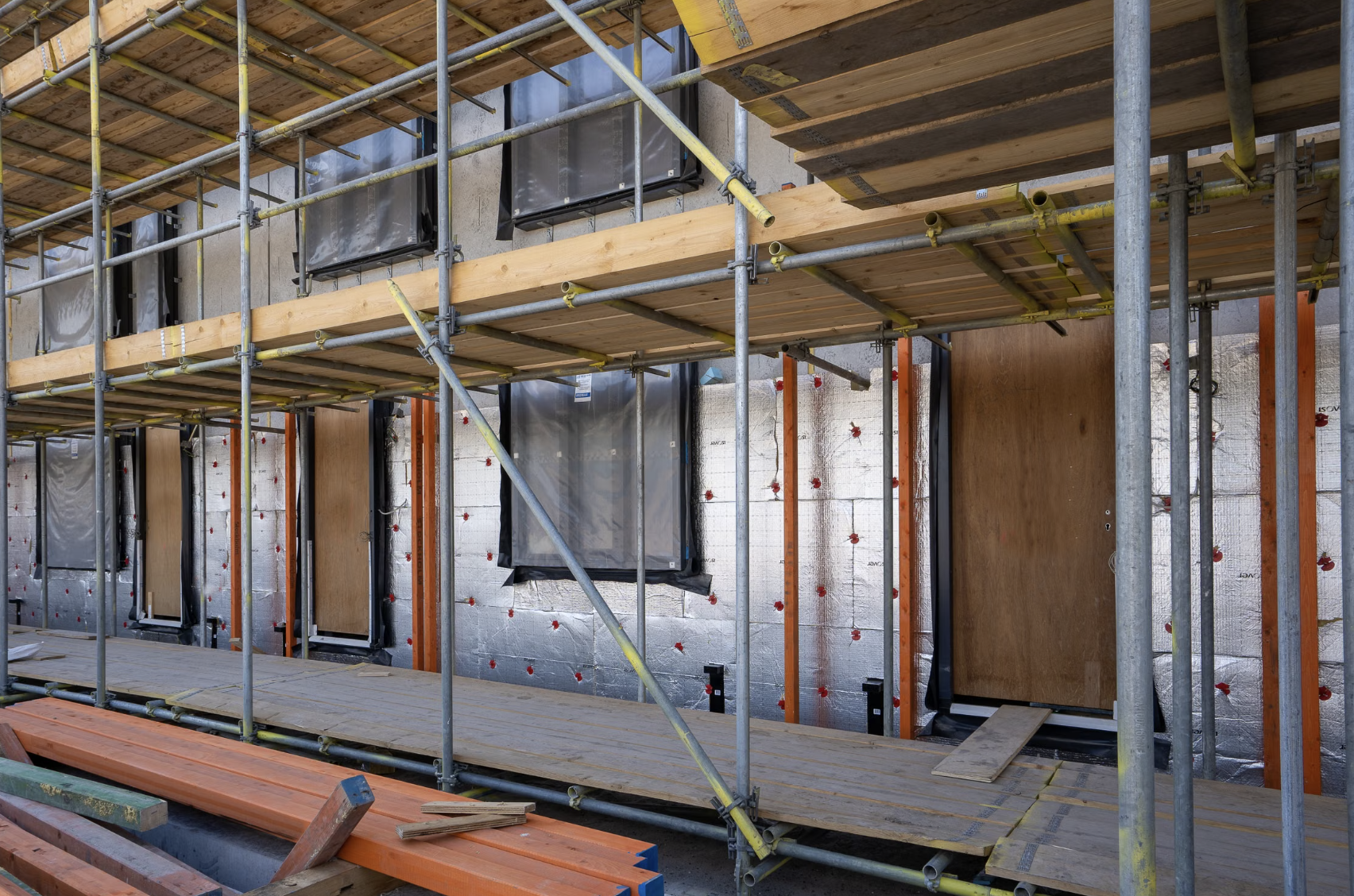
Whether you're building a new home, completing a commercial development, replacing a roof, or restoring an existing structure, scaffolding is an essential part of working safely at height. While many people only see the finished scaffold, there's a carefully planned installation process that takes place before anyone steps onto a platform.
Understanding what happens during a professional scaffolding installation can help builders, homeowners, and project managers prepare their site, minimise disruptions, and keep projects running on schedule. From the initial site assessment through to the final safety inspection, every stage is designed to ensure the scaffold provides safe, stable, and compliant access.
Here's what you can expect when working with a professional scaffolding company like Alltrade Scaffolding.
A professionally installed scaffold does far more than provide access to elevated work areas. It creates a secure working environment that helps reduce the risks associated with working at height while allowing trades to complete their work efficiently. Poorly installed or unsuitable scaffolding can increase the likelihood of falls, structural instability, project delays, and costly rework. That's why scaffolding should always be designed, erected, altered, and dismantled by competent and appropriately trained scaffolders.
At Alltrade Scaffolding, every installation is planned and completed in accordance with relevant Australian Standards, including AS/NZS 1576 (Scaffolding Series) and AS/NZS 4576 (Guidelines for Scaffolding), while meeting applicable Victorian Work Health and Safety requirements. Whether the project involves a residential renovation or a large commercial development, our team provides scaffold systems that prioritise safety, compliance, and productivity.
Every successful scaffold installation begins well before any equipment arrives on site. Careful planning allows the scaffold to be tailored to the specific requirements of the project while identifying potential challenges early. The process usually starts with a site inspection, where experienced scaffold professionals assess the building, surrounding environment, and scope of works. Measurements are taken to determine the required scaffold height, length, and platform configuration, while access points for workers and materials are carefully planned.
Ground conditions are also assessed to ensure the scaffold can be erected on a stable foundation. If the site includes sloping ground, landscaping, basements, or other uneven surfaces, the scaffold design can be adjusted to suit these conditions safely. Potential hazards are identified during the planning stage, including nearby powerlines, overhead services, neighbouring buildings, public footpaths, vehicle access, and restricted working areas. By addressing these factors early, the installation team can minimise delays and ensure the scaffold is designed specifically for the site.
Selecting the appropriate scaffold system is equally important. Depending on the project, this may involve modular Kwikstage scaffolding, specialised access systems, or custom-engineered configurations for complex structures.
Once planning is complete and materials have been delivered, the scaffold installation begins with preparing the work area and positioning base plates and sole boards to create a stable foundation. Scaffold standards, ledgers, transoms, and diagonal braces are then assembled to form the main structure before working platforms, guardrails, toe boards, and designated access points are installed. Where necessary, the scaffold is securely tied to the building to provide additional stability, particularly on taller or more complex projects.
Throughout the installation, exclusion zones are maintained to protect workers, site personnel, and the public until the scaffold is inspected and ready for use. For many residential and commercial projects, Alltrade Scaffolding recommends its Kwikstage scaffolding systems, which offer strength, flexibility, and fast installation. As part of our comprehensive scaffolding services, every installation is completed by experienced professionals and designed to comply with Australian safety standards.
Before anyone begins work on a scaffold, the completed structure must undergo a thorough inspection to confirm it is safe for use. A competent person checks the scaffold for structural stability, ensuring all standards, ledgers, braces, platforms, and tie-ins have been installed correctly. Working platforms are inspected to verify they are fully secured, while guardrails, toe boards, and access ladders are checked to ensure they meet safety requirements.
The inspection also confirms that the scaffold has been erected according to the approved design and that any load ratings or special access requirements are clearly identified. Once the scaffold has successfully passed inspection, it is handed over for use in accordance with site procedures. Throughout the project, additional inspections may be required following alterations, severe weather events, or at regular intervals, depending on the nature and duration of the work. Routine inspections help ensure the scaffold remains safe and compliant for the life of the project.
Good communication between the scaffolding contractor and the client helps the installation run smoothly and safely. Before installation begins, builders and property owners should ensure the designated work area is clear of unnecessary materials, equipment, and vehicles. Keeping access routes open allows scaffold components to be delivered and installed efficiently. If the scaffold will affect occupied homes or neighbouring properties, it's good practice to notify occupants about the installation schedule. This helps minimise disruption while ensuring everyone understands temporary access restrictions.
On active construction sites, coordinating deliveries and scheduling other trades around scaffold installation reduces congestion and allows the installation crew to work safely. During the erection process, unauthorised personnel should remain outside designated exclusion zones and follow all site safety instructions provided by the scaffold team. By working together, everyone involved can help create a safer and more efficient work environment from the outset.
At Alltrade Scaffolding, we understand that every project presents unique challenges. That's why we take a tailored approach to every scaffold installation, designing access solutions that suit the building, work scope, and construction schedule. Our experienced, fully trained scaffolders deliver safe and efficient installations for residential homes, commercial developments, roofing projects, restorations, and specialised access requirements throughout Melbourne and surrounding areas. Every scaffold is designed and installed to meet Australian Standards, with ongoing inspections and support available as your project progresses.
From your initial site assessment through to dismantling at project completion, we manage every stage of the process with a strong focus on safety, quality, and reliable service. Learn more about Alltrade Scaffolding and discover why builders, contractors, and homeowners continue to trust our team for their access solutions.
Ready to organise scaffolding for your next project? Contact Alltrade Scaffolding today to request a quote or arrange a site inspection with our experienced team.

$20 million public liability scaffolding insurance
Quality workmanship
Get a quote in 48-hours

Kwikstage Scaffold is a heavy duty modular scaffolding system.


We take residential scaffolding training very seriously.

Our birdcage scaffold is robust and sturdy so you can work safely.


Customised viewing platforms, with stairs and railing as required.

Allowing you the access required to clean, repair and restore buildings.

We understand tight spaces. And we will help you navigate them.